
We wrote separate pages about scuba diving and Cocos Island in 2014. This guide combines them into one planner: where to dive, when, and how to fit diving into a Costa Rica route.
The big picture
Costa Rica isn't a clear-water Caribbean dive destination. Its strength is big animals on the Pacific side: manta rays, sharks, rays, turtles and huge schools of fish, carried in by nutrient-rich water. Visibility varies a lot with season and swell. If you come for the wildlife rather than coral gardens, it's excellent.
Guanacaste: the easiest place to dive
The north Pacific coast around Playa Flamingo, Playas del Coco and Tamarindo is the most convenient dive base, an hour or so from Liberia's international airport. Dive shops run boat trips to three main areas:
- Catalina Islands: a group of rocky islands offshore, known for giant Pacific manta rays, which are seen most often from late December to early May. Rays, turtles and reef fish are common year-round.
- Bat Islands (Islas Murciélago): famous for bull sharks, and only for advanced divers with experience in currents.
- Gulf of Papagayo: sites for all levels, good for training dives and first-timers.
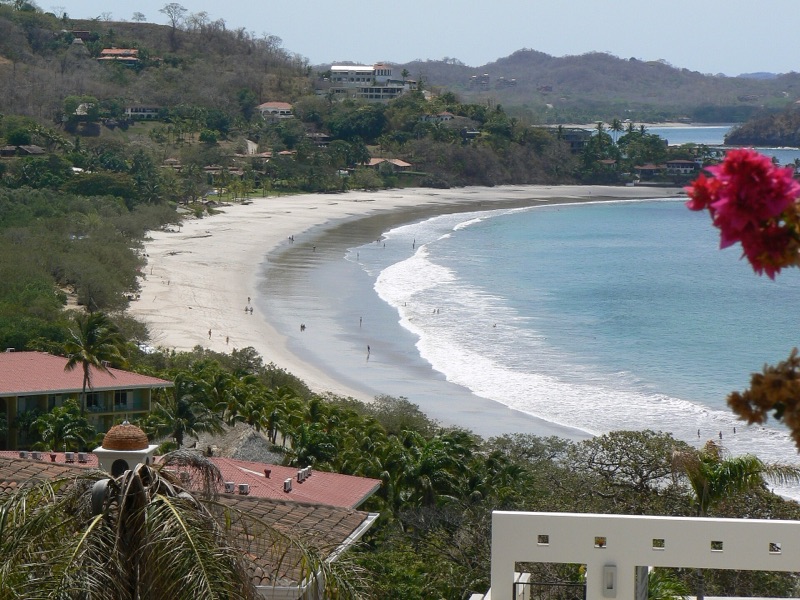
Rocket Frog Divers in Playa Flamingo is a PADI 5 Star Instructor Development Centre that runs all three, with courses from Discover Scuba up to Divemaster. It's an easy way to add a couple of dive days to a Guanacaste beach stay. Read our Guanacaste guide to plan the rest of the trip.
Osa Peninsula and the South Pacific
Off the Osa Peninsula, Caño Island is the main dive and snorkel destination, reached by boat from Drake Bay and Uvita. Copa de Arbol, a boat-access resort near Drake Bay, includes snorkel gear and runs many of its tours from its own beach, and Uvita 360 books Caño Island trips from Uvita.
Closer to shore at Uvita, Marino Ballena National Park has coral at the tip of its whale's tail sandbar, which you can snorkel at low tide when the sea is calm. Humpback whales visit this coast in two seasons, so a dive trip here may come with whale sightings on the boat ride. See our Osa Peninsula guide.
Nicoya Peninsula
On the southern Nicoya Peninsula, boat trips run from the coast near Curú Wildlife Refuge and Tambor to Isla Tortuga for snorkeling and diving. It's an easy half-day if you're staying in Montezuma, Tambor or Santa Teresa.
Caribbean coast
The best-known reef on the Caribbean side is at Cahuita National Park, where the reef covers about 242 hectares with at least 35 coral species and 123 fish species. Snorkeling inside the park is done with a guide, and visibility is usually best from February to April. The reef has lost much of its live coral since the 1980s, so treat it gently.
Cocos Island: the liveaboard trip
Cocos Island (Isla del Coco) is a volcanic island about 550 km southwest of the mainland. It's been a national park since 1978 and a UNESCO World Heritage Site since 1997, and nobody lives there except park rangers. Divers know it for its schools of hammerhead sharks, along with rays, dolphins and other large marine animals, in deep water with strong counter-currents. Costa Rica Journeys has a useful background piece on Cocos Island, and Montezuma Beach covers the island's history and wildlife too.
The only way to dive Cocos is on a liveaboard boat. The crossing alone takes about 36 to 48 hours each way, so trips run for well over a week. This is a trip for experienced, comfortable divers: expect deep dives, currents and open ocean conditions. Book a year or more ahead with an established liveaboard operator, check its safety record and what certification and experience it requires, and buy dive insurance that covers remote locations.
Planning a dive trip
For dive site notes, sea life and certification across the whole country, Scuba.cr's Costa Rica diving guide is a good next read.
- Pick one base. For most travelers, Guanacaste is the easiest place to fit in diving. Osa suits people combining diving with Corcovado.
- Don't fly within 18 to 24 hours of diving. That includes domestic flights, so plan diving before your drive days, not right before your flight home.
- Bring your certification card and logbook. Shops will ask, especially for the Bat Islands.
- Check conditions with your shop. Visibility and currents change with season and swell.
- Not certified? Snorkel instead. Cahuita's reef with a guide, the tip of Marino Ballena's whale's tail at low tide and boat trips to Isla Tortuga all work on calm days, and none of them need a dive card.
- Combine with land days. Diving pairs well with Rincón de la Vieja in Guanacaste or Corcovado in Osa.
Frequently asked questions
Where is the best scuba diving in Costa Rica?
Cocos Island is the standout but requires a long liveaboard trip. For a normal holiday, Guanacaste's Catalina and Bat Islands and Caño Island off Osa are the best options.
When can I see manta rays?
At the Catalina Islands, mantas are seen most often from late December to early May.
Can beginners dive in Costa Rica?
Yes. Shops in Guanacaste run Discover Scuba and full beginner courses, with training dives in the Gulf of Papagayo.
How do I get to Cocos Island?
Only by liveaboard boat. The crossing takes about 36 to 48 hours each way.
Is the Caribbean side good for diving?
It's better known for snorkeling. Cahuita's reef is the main one, and you visit it with a guide.
The places in this guide
Rocket Frog Divers
Best for Certified divers chasing mantas and bull sharks, and beginners doing a first PADI course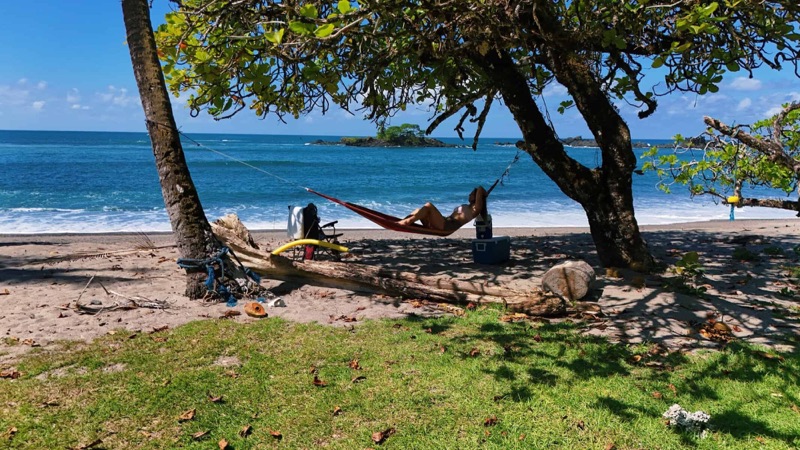
Copa de Arbol Beach and Rainforest Resort
Best for Couples, families and nature lovers who want an all-meals stay near Corcovado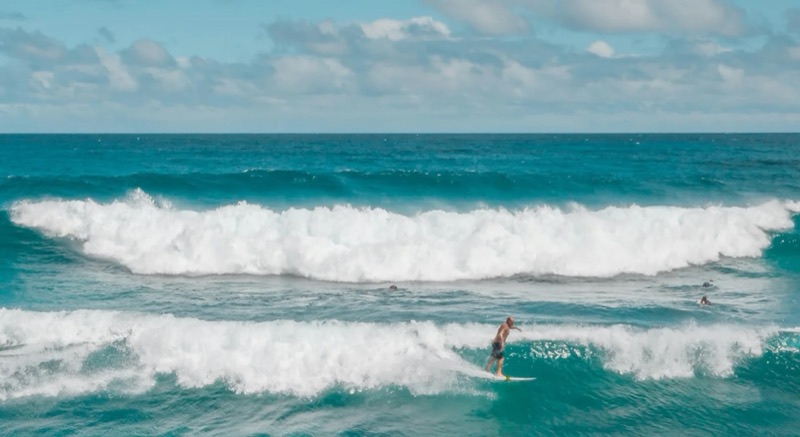
Uvita 360
Best for Beginner and improving surfers, families, active travelers based in Uvita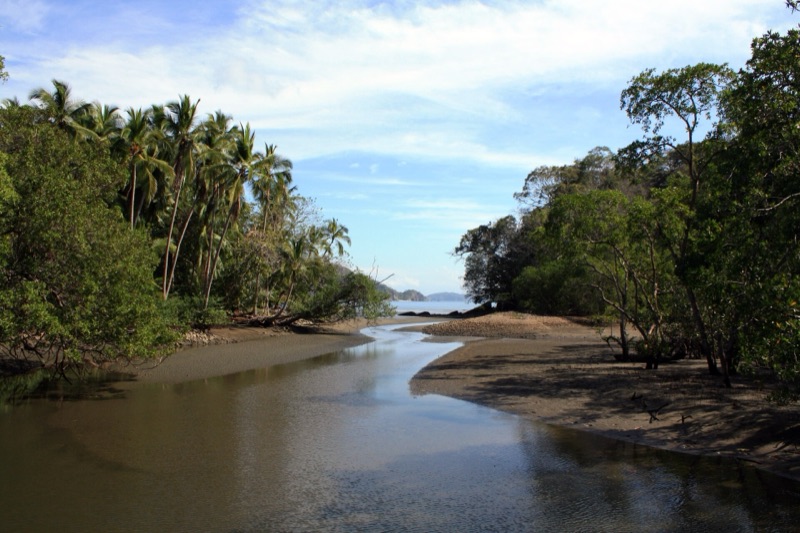
Curú Wildlife Refuge
Best for A first wildlife stop after the ferry, or a half day from Montezuma or Tambor


