
More than a quarter of Costa Rica's land is protected as national parks, wildlife refuges and reserves, and three of those areas are UNESCO World Heritage Sites: the Talamanca range and La Amistad, Cocos Island, and the Área de Conservación Guanacaste. You can't see them all on one trip, and you shouldn't try. The trick is to pick parks that fit your route and book the ones that need it.
How the park system works
Most national parks are run by SINAC, the national conservation agency. More and more of them sell entry online only, through SINAC's booking system, where you pick a date and an arrival time. The parks on that system include Manuel Antonio, Tortuguero, Rincón de la Vieja, Carara, Poás Volcano, Irazú Volcano, Chirripó, Tenorio Volcano, Braulio Carrillo's Barva sector, Tapantí and Isla San Lucas.
A few SINAC rules apply across the system:
- Tickets are personal, so the name on them can't be changed.
- There are no refunds for bad weather or if you can't go. If a park closes for an emergency, you can ask to change the date.
- Pets aren't allowed in protected areas.
- You can bring prepared food, but not stoves, grills or fires, and you must carry your trash out.
- Entry is free for everyone on 24 August, National Parks Day, but you still need a reservation.
Some of the best-known protected areas aren't SINAC parks at all. The Monteverde Cloud Forest Reserve is a private reserve with its own booking system, and Curú on the Nicoya Peninsula is a privately managed refuge.
Closing days to plan around
Several parks close on fixed days, and these trip people up more than anything else:
- Manuel Antonio: closed on Tuesdays.
- Rincón de la Vieja: normally closed on Mondays.
- Cabo Blanco: closed on Mondays and Tuesdays.
- Corcovado: closed to visitors in October, usually its rainiest month.
Build your route so you aren't in Manuel Antonio on a Tuesday. It sounds obvious, but it's easy to miss when you're juggling drive days.
When you need a guide
Guides are optional in most parks, but a good naturalist with a spotting scope will show you far more than you would see alone. In some places they're required:
- Corcovado: every visitor needs an ICT-certified guide and a permit.
- Tortuguero and Ostional: night turtle-watching on the beach is only allowed with licensed local guides. At Ostional, book with the community guides before you arrive.
- Cahuita: snorkeling on the reef is done with a guide.
The best parks by region
Central Pacific: Manuel Antonio and Carara
Manuel Antonio is the most visited park in the country and the easiest place to see sloths and monkeys, with swimming beaches inside the park. It's small, so a morning is enough. Buy tickets online well ahead in the dry season.
Carara National Park, about 48 km west of San José and 24 km north of Jacó, is one of the best birding parks in the country and holds the second-largest wild population of scarlet macaws. It's a good stop on the drive from San José to the coast.
Arenal and Monteverde
Arenal Volcano National Park has easy trails over old lava flows, about 15 km from La Fortuna. You can't climb the volcano, but mornings bring the clearest views. The Monteverde Cloud Forest Reserve is the classic cloud forest experience: misty, mossy and full of birds. Book a time slot online, and consider the night walk.
Guanacaste
Rincón de la Vieja, north of Liberia, is the volcano park for beach travelers, with mud pots and steam vents in the Las Pailas sector. It's an active volcano: the summit trail is closed, and you should check the park's status on the day.
Nicoya Peninsula
Cabo Blanco, at the tip of the peninsula, was Costa Rica's first protected area. Its forest trail leads to a wild beach. Curú, near the Paquera ferry, is a privately run refuge with easy wildlife watching. Farther north, Ostional near Nosara hosts mass nestings of olive ridley turtles.
Osa and the South Pacific
Corcovado is the wildest park in the country and the best chance to see tapirs, scarlet macaws and all four monkey species. It takes planning: guides, permits and boat or long hike access. Marino Ballena at Uvita is the gentler side of the south: beaches, a low-tide sandbar shaped like a whale's tail and humpback whales in two seasons.
Caribbean coast
Tortuguero is a roadless maze of canals and rainforest, reached by boat or plane, with turtle nesting seasons. Cahuita, on the southern Caribbean, is the opposite: a flat beach trail starting at the edge of the village, with a coral reef offshore.
How to choose for your trip
On a one-week trip, two or three parks is plenty. A common pairing is Arenal plus Manuel Antonio, or Arenal plus Monteverde if you prefer forest to beach. With ten days to two weeks, add one wild place: Tortuguero if you're heading to the Caribbean, or Corcovado if you're going south. Our itineraries show these routes day by day, and the weather guide explains which regions are driest when.
Tips for any park
- Go early. Animals are more active, and trails are cooler and quieter in the first hours.
- Bring water, rain gear and real shoes. Even dry-season trails can be muddy.
- Stay on the trails. Venomous snakes live in most lowland parks.
- Don't feed animals. It's harmful to them and makes monkeys and raccoons aggressive around food.
- Check status before you go. Volcano activity, storms and maintenance can close parks at short notice.
Frequently asked questions
Do I have to buy national park tickets online?
For many parks, yes. Manuel Antonio, Tortuguero, Rincón de la Vieja, Carara, Poás and several others are sold through SINAC's online system with a time slot.
Which national park is best for seeing wildlife?
Manuel Antonio for easy sightings in a short visit, Tortuguero for canal wildlife, and Corcovado for the widest range of animals, with more effort.
Which parks are closed on certain days?
Manuel Antonio closes on Tuesdays, Rincón de la Vieja normally on Mondays, and Cabo Blanco on Mondays and Tuesdays. Corcovado closes in October.
Do I need a guide in Costa Rica's national parks?
Only in some cases, such as Corcovado and night turtle tours. Elsewhere it's optional but usually worth it.
Are national parks free on any day?
Yes. Entry is free on 24 August, National Parks Day, but you still need to book through SINAC.
The places in this guide
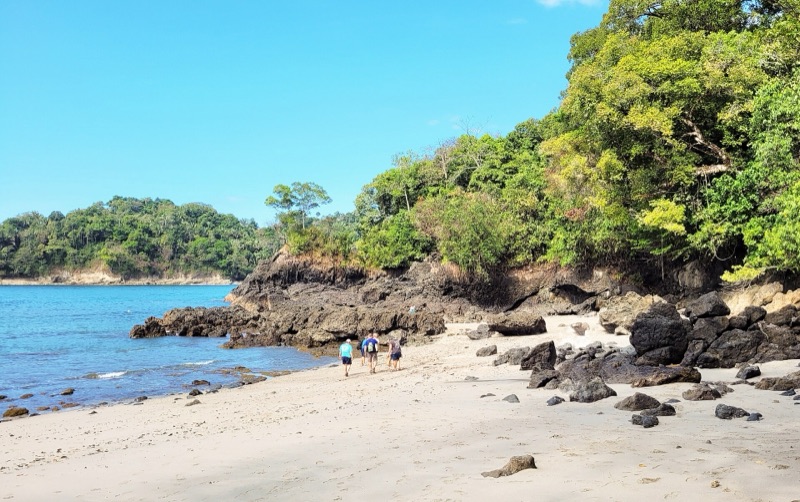
Manuel Antonio National Park
Best for Easy wildlife watching and swimming beaches in one morning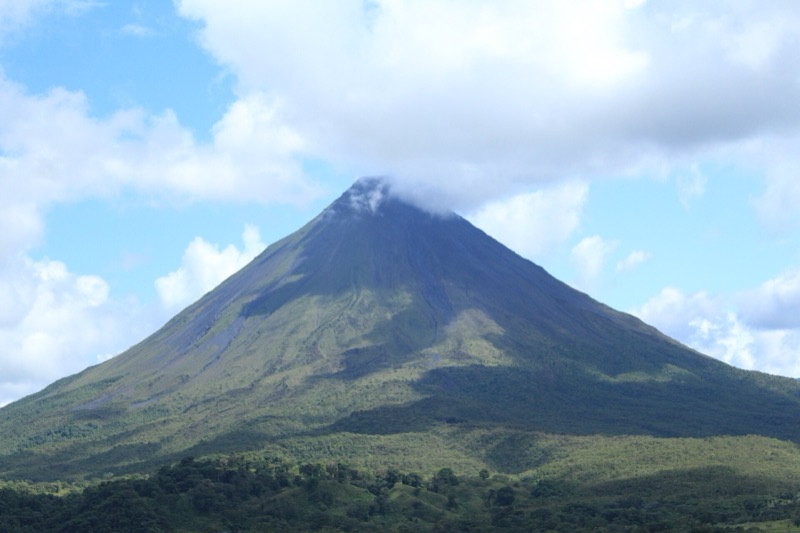
Arenal Volcano National Park
Best for A half-day walk from La Fortuna or El Castillo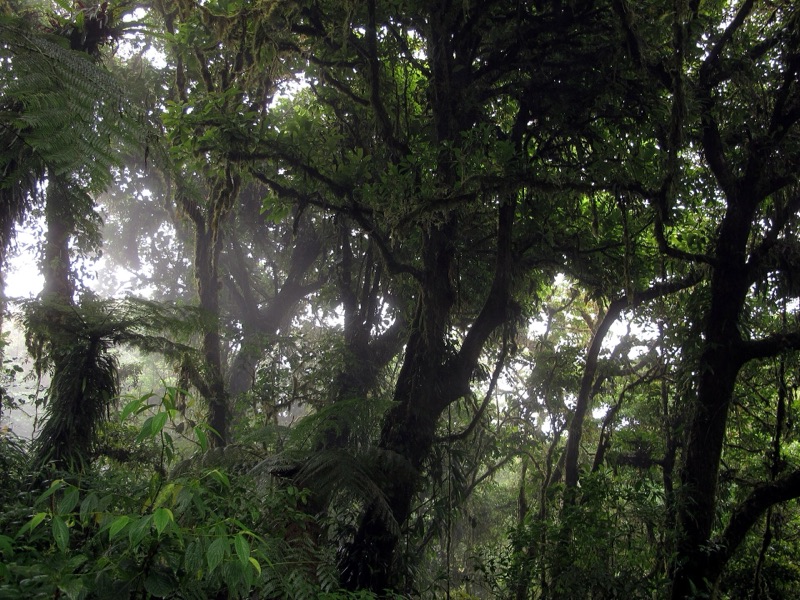
Monteverde Cloud Forest Biological Preserve
Best for Nature lovers and birders spending a night or two in Monteverde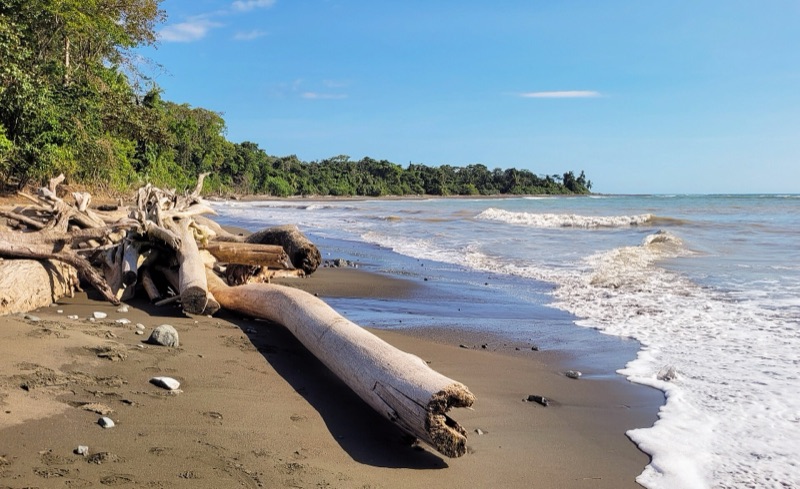
Corcovado National Park
Best for Serious wildlife watchers; tapirs, scarlet macaws, all four monkey species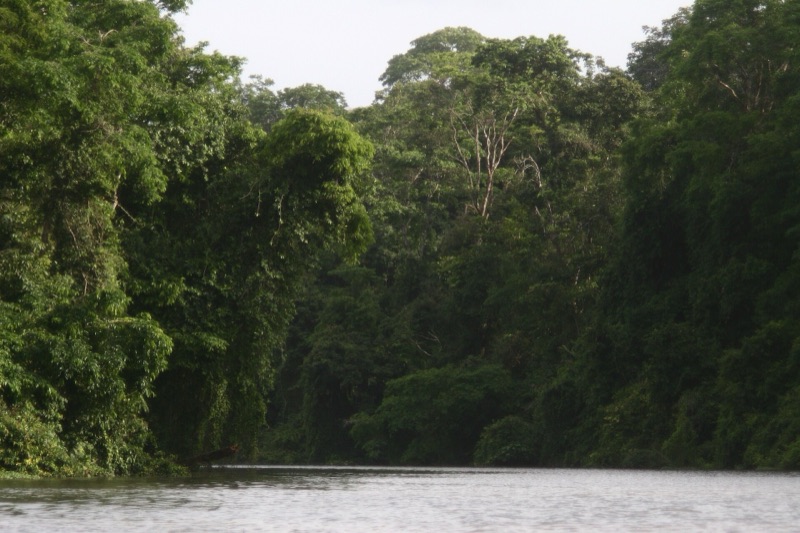
Tortuguero National Park
Best for Canal wildlife trips and turtle nesting tours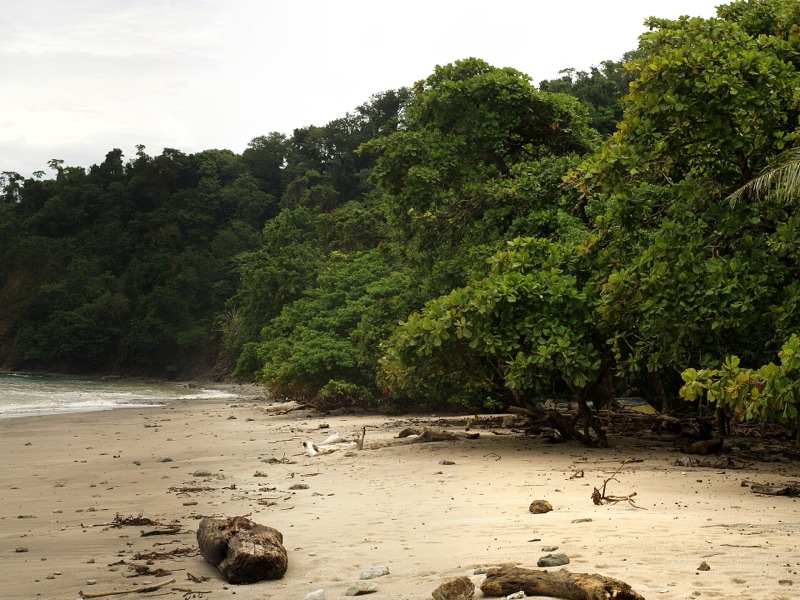
Cabo Blanco Absolute Natural Reserve
Best for A morning hike from Montezuma, Cabuya or Santa Teresa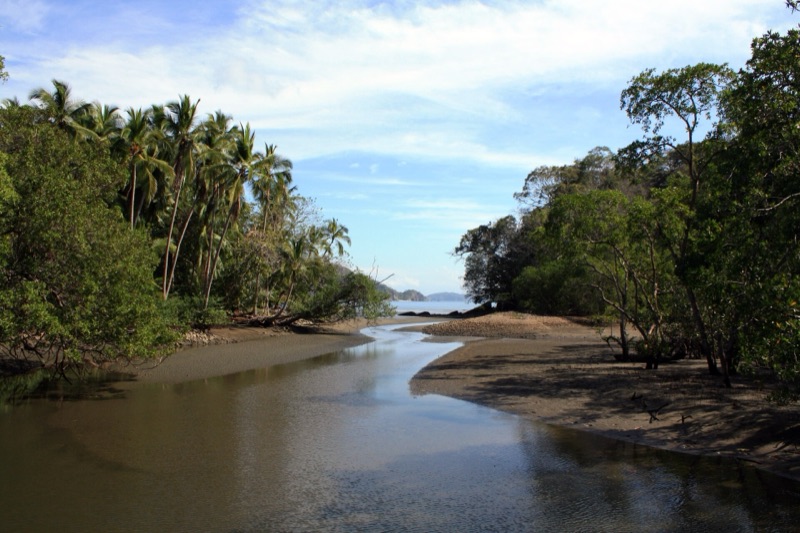
Curú Wildlife Refuge
Best for A first wildlife stop after the ferry, or a half day from Montezuma or Tambor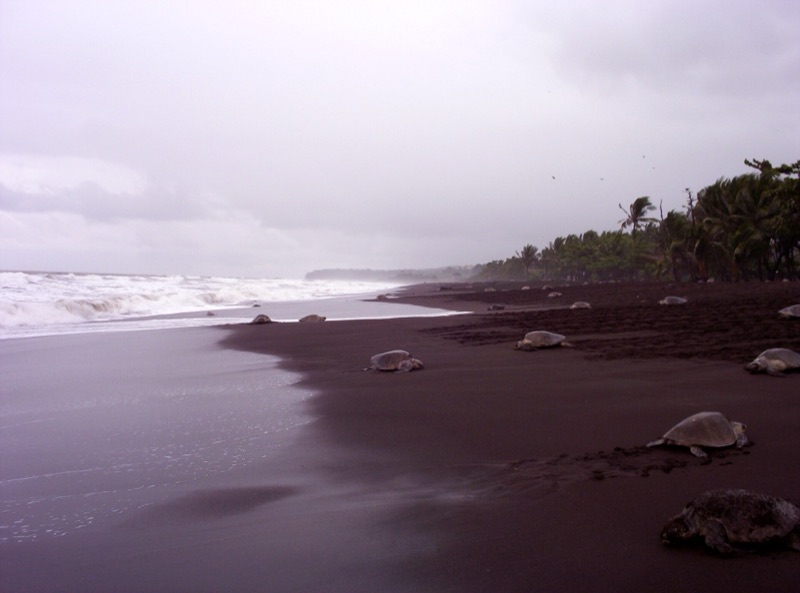
Ostional Mixed Wildlife Refuge
Best for Travelers staying around Nosara who can shift plans by a few days


