
We first published a guide to Costa Rica's animals in 2014. This version is rebuilt around a planner's question: which animals do you want to see, and where and when should you be to see them? If you'd like a species-by-species primer before you plan, Costa Rica Journeys has a good overview of Costa Rica's animals.
Why there's so much wildlife
Costa Rica covers a tiny share of the earth's land, yet it holds roughly 4 to 5% of the world's species: more than 500,000 in all, about 300,000 of them insects. Part of the reason is geography. The land bridge that formed between North and South America about three to five million years ago let animals and plants from both continents mix. The other part is variety: rainforest, dry forest, cloud forest, mangroves and two coastlines, all within a day's drive. More than a quarter of the country is protected land.
Monkeys and sloths
Costa Rica has four monkey species: mantled howlers, white-faced capuchins, Geoffroy's spider monkeys and the small Central American squirrel monkey. Howlers are the ones you'll hear at dawn almost everywhere. Squirrel monkeys live only on the central and southern Pacific coast.
There are two sloths: the brown-throated three-toed and Hoffmann's two-toed. Both are easier to spot with a guide and a telescope, because they sit high up and barely move.
Where to go: Manuel Antonio is the easiest place to see both sloths and three monkey species in one morning. Corcovado has all four monkeys. Cahuita on the Caribbean and Curú on the Nicoya Peninsula are good, quieter options.
Big mammals
Baird's tapir is endangered and hard to find, but Corcovado is home to a population, and Sirena station in the middle of the park is the best place to look. Jaguars, pumas and ocelots live in Corcovado, Tortuguero and other big parks, but sightings are rare. Coatis, agoutis, peccaries and anteaters are more likely. Of the smaller wild cats, the long-bodied jaguarundi is the one people tend to mistake for something else; Montezuma Beach has a short jaguarundi profile if you want to know what you're looking at. Bats make up more than half of the country's 250-plus mammal species, so a night walk is worth doing.
Birds
About 950 bird species have been recorded in Costa Rica, more than in the United States and Canada combined. Scarlet macaws are a highlight on the Pacific side: Corcovado has the largest population, and Carara National Park, between San José and Jacó, has the second largest. The resplendent quetzal lives in the highland cloud forests, including Monteverde. Toucans turn up in most lowland forests. See our birdwatching guide for a full plan.
Sea turtles
Five of the world's seven sea turtle species nest on Costa Rica's beaches. The two famous places are:
- Tortuguero, Caribbean: green turtles usually nest from July to mid-October and leatherbacks from February to June. Night beach tours run only with licensed guides.
- Ostional, Pacific: olive ridleys arrive in mass nestings called arribadas, usually biggest in September and October. Visits are with accredited community guides, booked ahead.
Turtle watching needs flexibility. Stay two or three nights, and follow your guide's rules on lights and distance.
Whales and dolphins
Humpback whales come to Costa Rica's Pacific coast to breed in two seasons: whales from the north from December to April, and from the south from July to November. Marino Ballena National Park at Uvita was created to protect their breeding waters, and boat tours leave from Uvita. Corcovado's coast is also a wintering and breeding area.
Reptiles and frogs
About 225 reptile species live in Costa Rica, from iguanas and basilisk lizards to crocodiles and caimans. American crocodiles live in the Tárcoles River on Carara's northern edge, and you'll see them in rivers and river mouths along the Pacific. Around 20 snake species are venomous, so watch where you step and stay on trails.
There are about 175 amphibians, most of them frogs. Red-eyed tree frogs, poison dart frogs and glass frogs are the stars. Guided night walks in Monteverde, Arenal and the Caribbean lowlands are the best way to find them.
Butterflies and insects
With around 1,250 butterfly species, Costa Rica is a good place to slow down and look closely. In El Castillo near Arenal, the Butterfly Conservatory shows the full butterfly life cycle and has an insect museum, a handy rainy-afternoon stop near Arenal Volcano National Park.
A simple wildlife route
If wildlife is your main goal on a two-week trip, a route like this covers most of the list: Tortuguero for canals and turtles, then Arenal and Monteverde for forest, frogs and birds, then Manuel Antonio for sloths and monkeys, ending in Osa for Corcovado and whales. Our itineraries show the day-by-day version.
Watching wildlife responsibly
- Don't feed animals. It makes them sick and aggressive, especially monkeys and raccoons around beaches.
- Keep your distance and let animals move away. Never touch or hold wild animals for photos.
- Use licensed guides where they're required, and pick ones who respect the animals.
- Drive slowly. Sloths, coatis and other animals cross roads, especially near parks.
Frequently asked questions
Where is the best place to see sloths in Costa Rica?
Manuel Antonio National Park is the easiest, especially with a guide who carries a telescope.
When is turtle nesting season?
At Tortuguero, green turtles usually nest from July to mid-October and leatherbacks from February to June. At Ostional, the biggest olive ridley arribadas usually happen in September and October.
Can I see whales in Costa Rica?
Yes. Humpbacks visit the Pacific coast from December to April and from July to November. Uvita and Marino Ballena National Park are the main base.
Where can I see a quetzal?
In highland cloud forests such as Monteverde. A local birding guide improves your chances a lot.
Is it safe to hike with snakes around?
Yes, if you stay on trails, watch your step and don't reach into vegetation. About 20 of Costa Rica's snakes are venomous, and most are seen without any trouble if you give them space.
The places in this guide
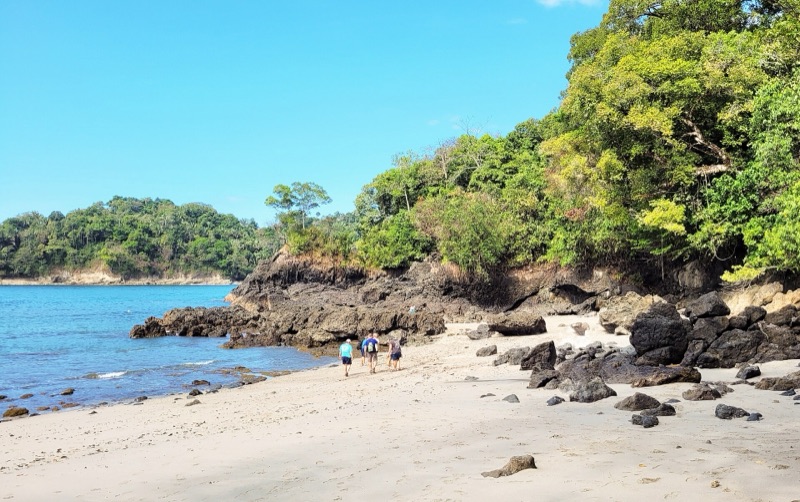
Manuel Antonio National Park
Best for Easy wildlife watching and swimming beaches in one morning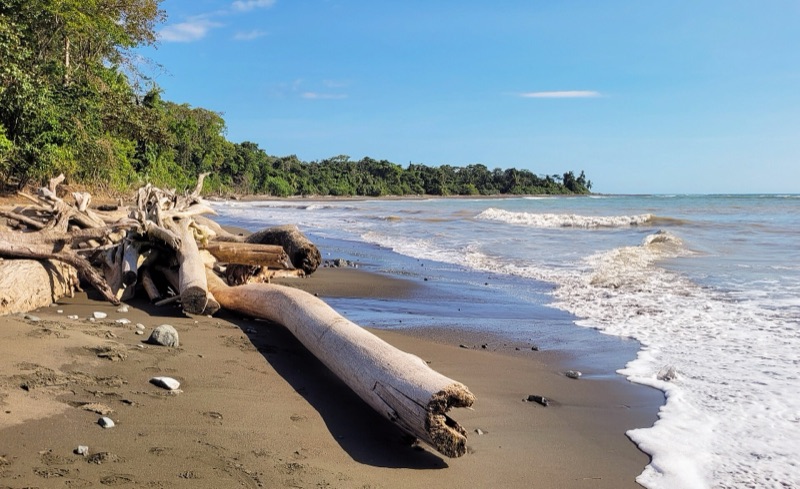
Corcovado National Park
Best for Serious wildlife watchers; tapirs, scarlet macaws, all four monkey species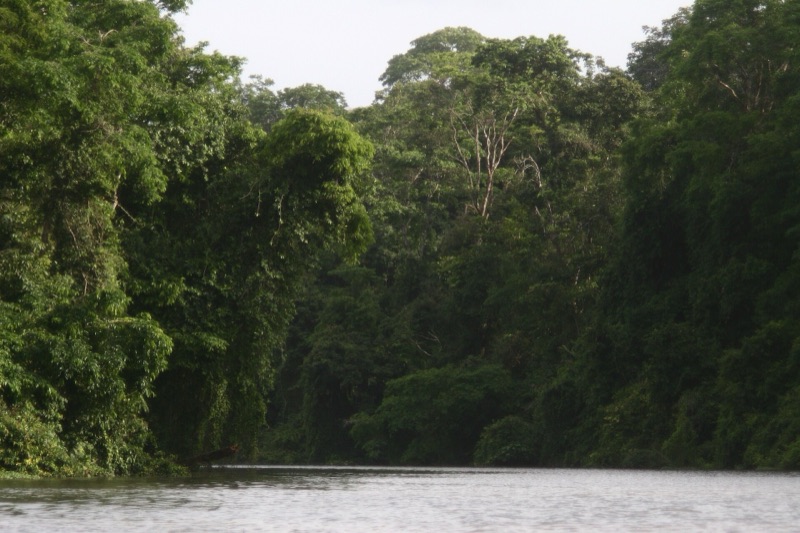
Tortuguero National Park
Best for Canal wildlife trips and turtle nesting tours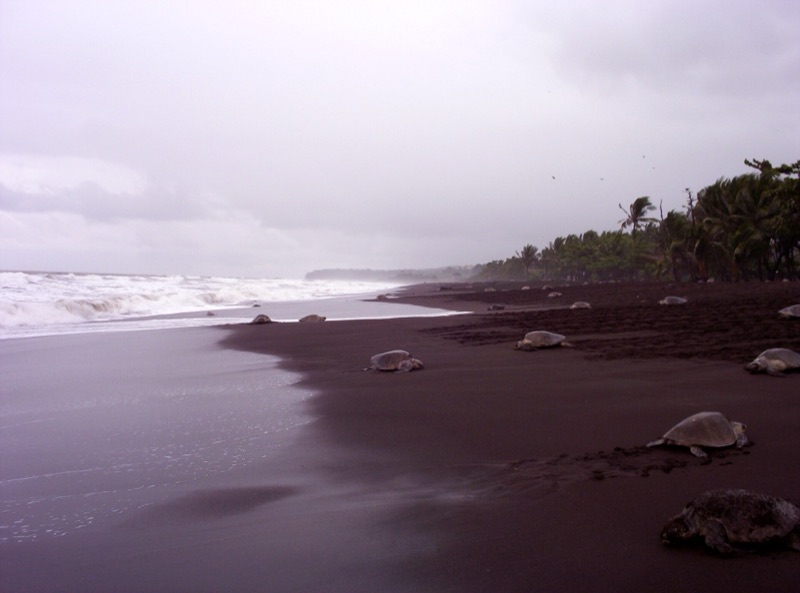
Ostional Mixed Wildlife Refuge
Best for Travelers staying around Nosara who can shift plans by a few days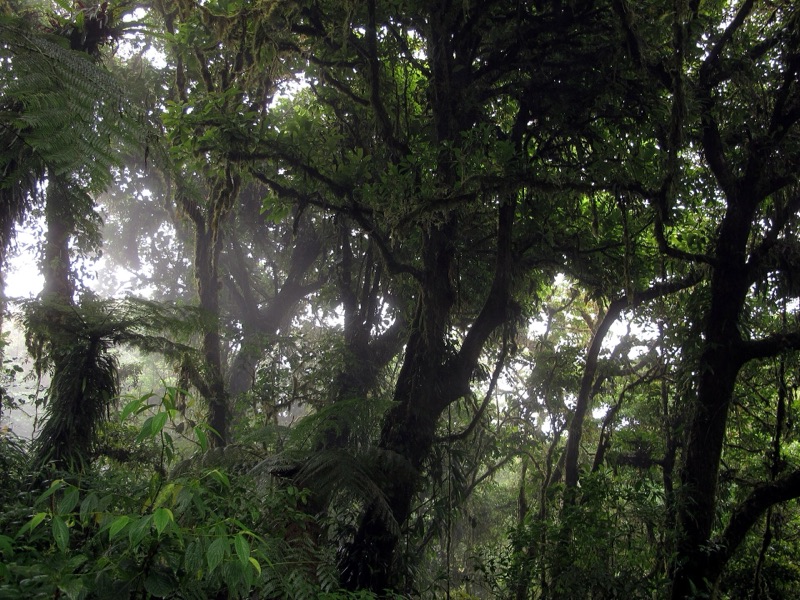
Monteverde Cloud Forest Biological Preserve
Best for Nature lovers and birders spending a night or two in Monteverde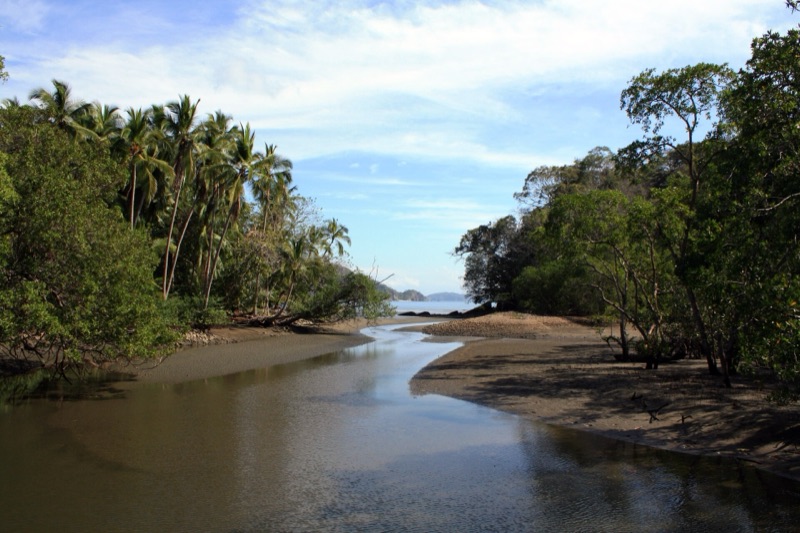
Curú Wildlife Refuge
Best for A first wildlife stop after the ferry, or a half day from Montezuma or Tambor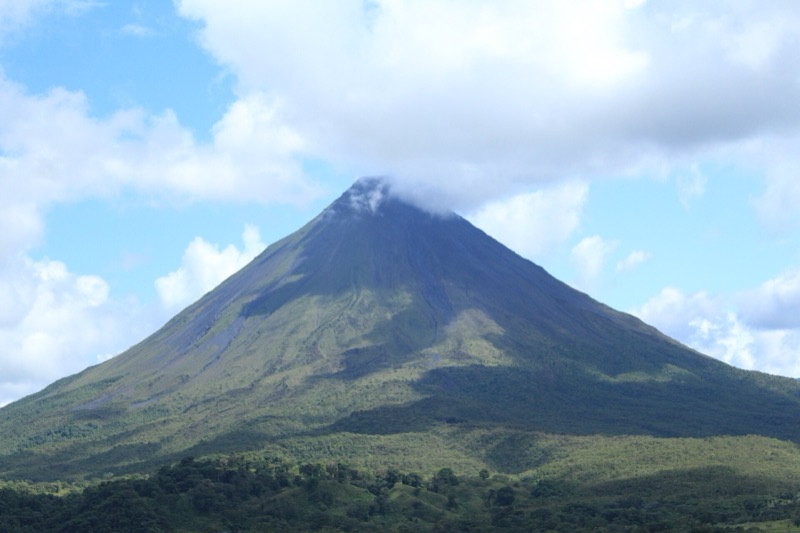
Arenal Volcano National Park
Best for A half-day walk from La Fortuna or El Castillo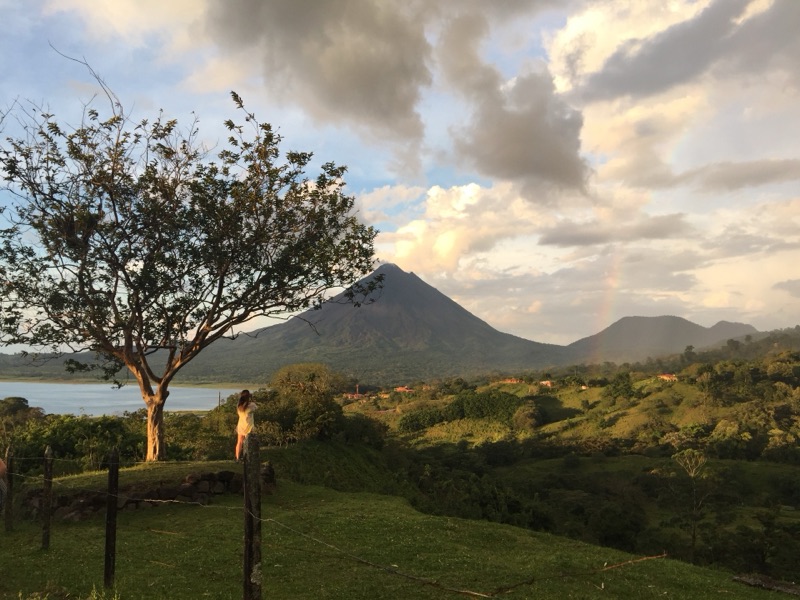
The Butterfly Conservatory
Best for Families with children, photographers, rainy-day plans


