
Distances in Costa Rica look short on a map, but travel times don't. La Quinta Sarapiquí Lodge, for example, is about 96 km from San José, yet the lodge says the drive takes around 2 hours, because the road climbs over the mountains. Roads also narrow to one lane at many bridges and slow down through every town. Plan around time, not kilometres, and you'll avoid the most common mistake: trying to cover too much.
This guide compares your options and explains when each makes sense. For a full car-free plan, see Costa Rica without a car.
How long things take
These are scheduled shared-shuttle times from Interbus, including hotel pickups. Driving yourself is often a little quicker.
| Route | Shuttle time |
|---|---|
| La Fortuna to Monteverde | about 4 hours |
| Monteverde to Manuel Antonio | about 4 hours |
| Manuel Antonio to San José | about 4½ hours |
| La Fortuna to Tamarindo | about 5 hours |
| Monteverde to Tamarindo | about 4½ hours |
| Manuel Antonio to Jacó | about 1¼ hours |
| Puerto Viejo de Talamanca to San José | about 5 hours |
| La Fortuna to Puerto Viejo de Talamanca | about 6 hours |
| Santa Teresa to San José | about 6 hours |
Wikivoyage puts the drive from San José to La Fortuna at about 3½ hours, and the taxi from Liberia airport to Tamarindo at about 1¼ hours.
Renting a car
Why drive: total freedom. You can stop at viewpoints, beaches and waterfalls, change plans when the weather does, and reach lodges that shuttles don't serve.
What to rent: Wikivoyage recommends a 4x4 for travel outside the Central Valley, especially in the rainy season. You don't need one for the paved highways between San José, La Fortuna, Manuel Antonio and Guanacaste. It helps on the partly unpaved road into Monteverde, on the Nicoya Peninsula's dirt roads, and on the Osa Peninsula, where the road to Drake Bay is 4x4 only.
Insurance and deposits: insurance is a large part of the rental cost in Costa Rica, and companies take a sizeable deposit on a credit card. Read what's included before you book, and inspect the car with the agent, noting every scratch on the form before you sign.
Driving tips
- Don't drive at night. Roads are poorly lit, have few guardrails on mountain curves, and potholes are hard to see. Plan to arrive before dark.
- Expect single-lane bridges. The UK government warns that bridges often narrow to one lane.
- Use Waze. It's the navigation app most Costa Ricans use, and it's updated with traffic and road closures.
- Never leave bags in the car. The UK government advises not to leave luggage in a parked car, even in the boot. Watch for the slashed-tyre trick, where a "helper" distracts you while someone else takes your things.
- San José restrictions. Private cars are restricted in central San José on certain weekdays, depending on the last digit of the licence plate. Ask your rental company.
- After an accident, don't move the car if someone is hurt or blame is disputed. Wait for the traffic police.
- Rainy season: heavy rain can cause landslides and road closures. Check conditions before long drives, and keep moving days short.
Gas stations are full service, so an attendant fills the tank for you.
Shared and private shuttles
Shared shuttles are air-conditioned vans that run between tourist areas on fixed schedules and pick you up at your hotel. Interbus, operating since 1996, lists more than 180 routes and also offers private transfers. Caribe Shuttle covers the Caribbean coast, Arenal, Monteverde and Guanacaste. Departures are often early in the morning, and luggage space is limited, so travel light.
Shuttles are the best choice if you're nervous about driving, travelling solo or as a couple, or following a classic route like our 7-day itinerary.
Public buses
Buses go almost everywhere, cheaply. They're slower than shuttles and leave from terminals rather than hotels. In San José, different regions leave from different terminals, and Wikivoyage says most terminals accept cash only. Take a taxi to the terminal door, as some of the surrounding areas aren't safe. The UK government also warns that thieves target bags on buses, so keep yours in sight.
Domestic flights
Sansa flies from San José to Drake Bay, Puerto Jiménez, Golfito, Tortuguero, Limón, La Fortuna, Quepos, Tamarindo, Nosara, Liberia and the Santa Teresa and Mal País area. Flights turn a full day on the road into under an hour in the air, which matters most for the Osa Peninsula, home of Corcovado National Park, and for Tortuguero.
Pack carefully: Sansa allows 4.5 kg of free carry-on, checked bags depend on your fare, and bags over set dimensions may be refused or sent on a later flight. Ask about surfboards before you book.
Ferries and boats
Two car ferries cross the Gulf of Nicoya from Puntarenas. Naviera Tambor runs to Paquera, the gateway to Montezuma, Santa Teresa and Mal País, with 8 sailings a day on its 2026 schedule. Coonatramar runs to Playa Naranjo, farther north on the peninsula. Only part of each ferry's space is sold online, so arrive early on busy weekends and holidays.
Some places can only be reached by water. Tortuguero's village and lodges are reached by river boat from La Pavona, and most Drake Bay lodges, such as Copa de Arbol, by boat from Sierpe. Expect a wet beach landing in Drake Bay.
Taxis and rides
Official taxis are red, with a yellow triangle on the door and a number that matches the plate. Ask the driver to use the meter. Avoid unofficial "pirate" taxis. For remote lodges, ask whether they'll meet you; Selva Bananito, for example, has staff meet sedan drivers in the nearest village because the final road crosses rivers.
Which option suits you?
- First trip, classic route: shuttles, or a car if you're a confident driver.
- Families or groups of 4 or more: a car or a private shuttle.
- Remote lodges and the Nicoya Peninsula's back roads: a 4x4.
- Osa Peninsula or Tortuguero on a short trip: fly.
- Tight budget: public buses, with a shuttle for the hardest legs.
Frequently asked questions
Do I need a 4x4 in Costa Rica?
Not for the main paved highways. A 4x4 helps on dirt roads in Monteverde, the Nicoya Peninsula and the Osa Peninsula, and in the rainy season generally. The road to Drake Bay is 4x4 only.
Is it safe to drive in Costa Rica?
It's manageable in daylight if you drive defensively. The main risks are other drivers' overtaking, potholes, single-lane bridges and theft from parked cars. Avoid driving at night.
Is it better to rent a car or use shuttles?
Shuttles are easier and avoid mountain driving; a car gives you freedom for side trips. Many visitors combine both, using shuttles for the main legs and a car or taxis locally.
How long does it take to drive across Costa Rica?
Plan on 3½ to 6 hours between most regions. Wikivoyage puts San José to La Fortuna at about 3½ hours, and shuttles from Santa Teresa to San José take about 6.
Can I fly between regions?
Yes. Sansa connects San José with about a dozen towns, including Drake Bay, Puerto Jiménez, Tortuguero, Quepos, Tamarindo and La Fortuna.
The places in this guide
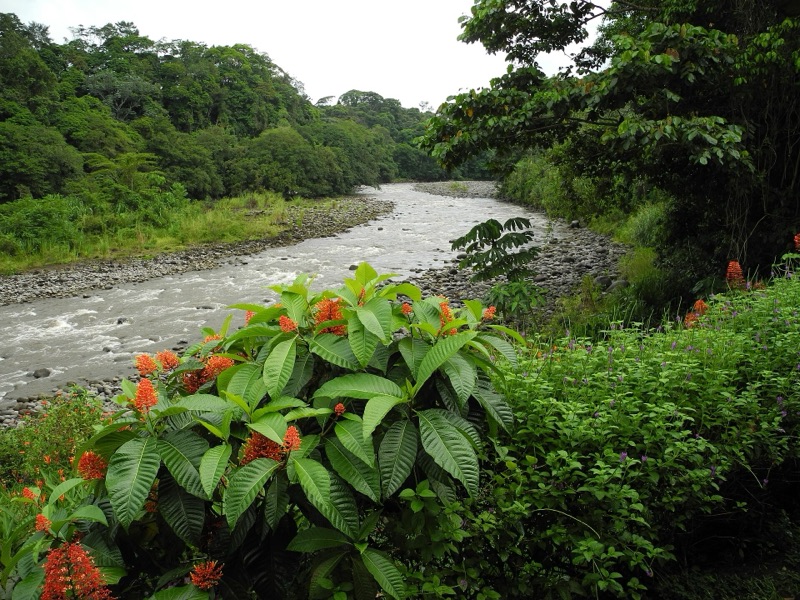
La Quinta Sarapiquí Lodge
Best for Families, birders and nature lovers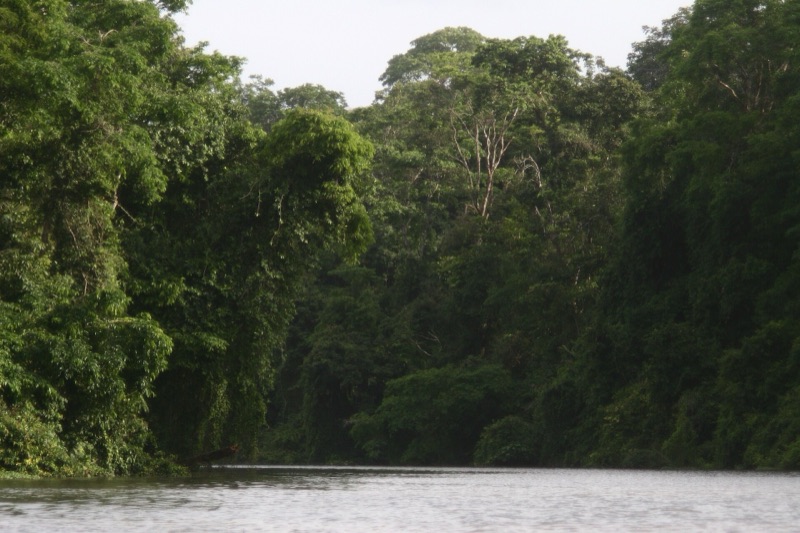
Tortuguero National Park
Best for Canal wildlife trips and turtle nesting tours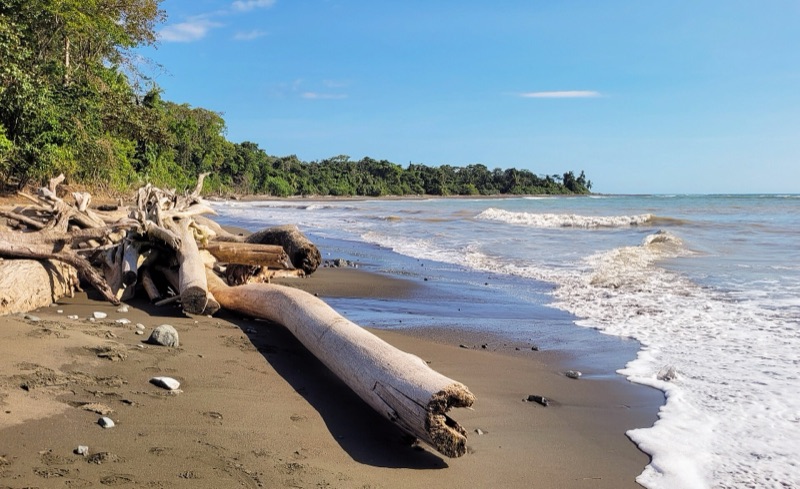
Corcovado National Park
Best for Serious wildlife watchers; tapirs, scarlet macaws, all four monkey species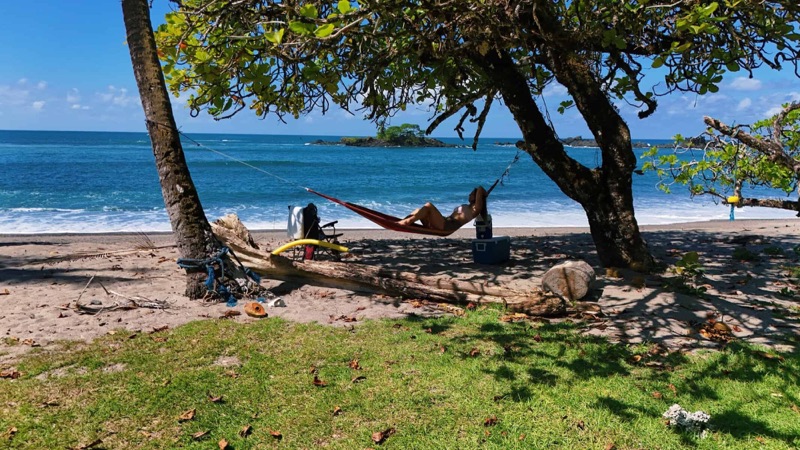
Copa de Arbol Beach and Rainforest Resort
Best for Couples, families and nature lovers who want an all-meals stay near Corcovado
Selva Bananito Ecolodge
Best for Nature lovers, birders and adventurous couples


